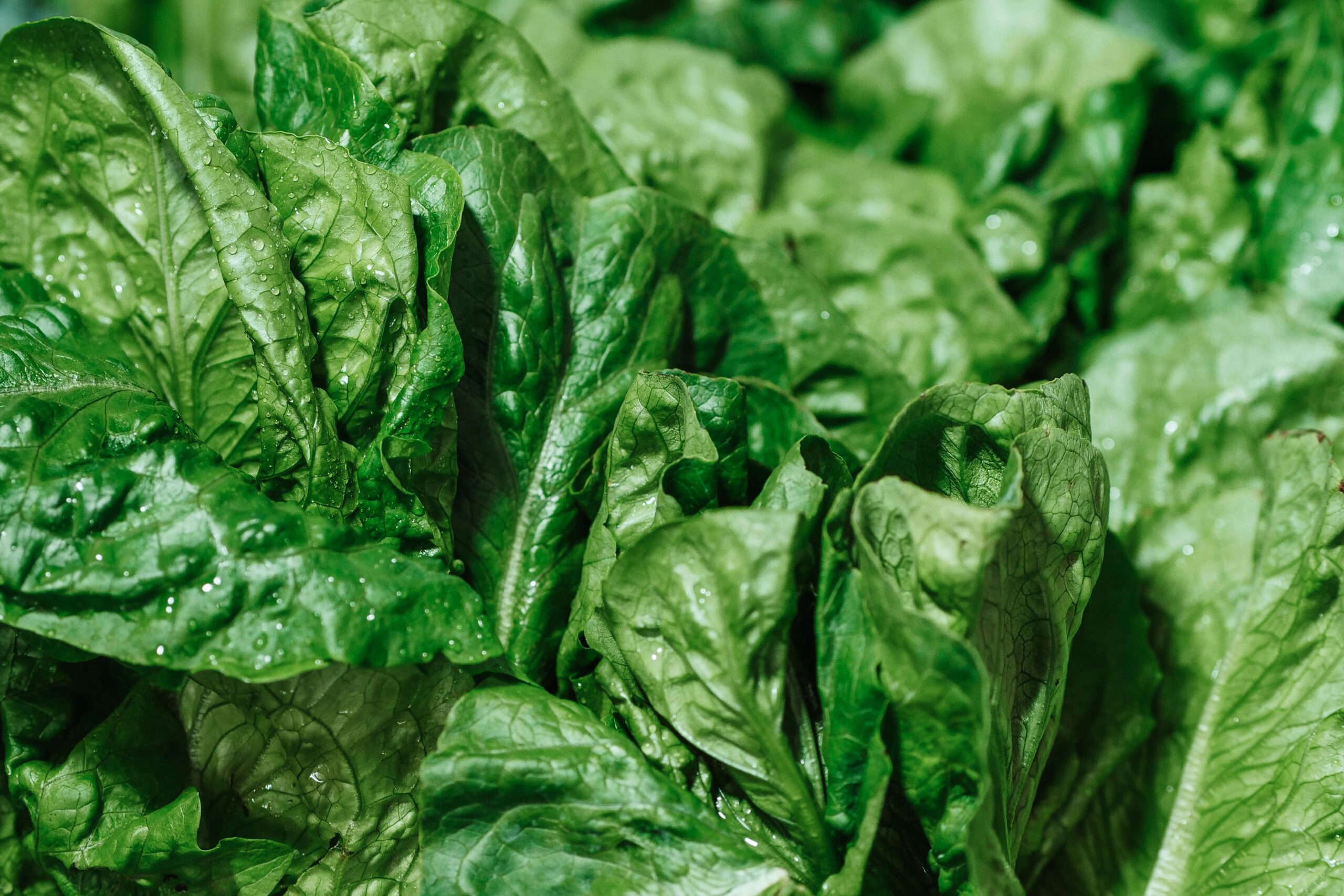
Spinach is often hailed as a superfood, celebrated for its rich nutrient profile and versatility in various recipes. Whether eaten raw in salads, blended in smoothies, or cooked into dishes, spinach offers numerous health benefits thanks to its dense concentration of vitamins, minerals, and antioxidants.

One of the most remarkable aspects of spinach is its impressive nutritional content. It is an excellent source of vitamin K, essential for blood clotting and bone health. Spinach also provides high levels of vitamin A, which supports vision and immune function, as well as vitamin C, which promotes skin health and acts as an antioxidant. In addition, it contains folate, a critical B vitamin necessary for DNA synthesis and cell division, making it particularly important during pregnancy.
Moreover, spinach is a good source of minerals such as iron, calcium, magnesium, and potassium. Iron is vital for oxygen transport in the blood, calcium supports strong bones and teeth, magnesium contributes to muscle function and energy production, and potassium helps maintain healthy blood pressure levels. The presence of dietary fiber in spinach aids digestion and supports gut health, while its antioxidants, including lutein and zeaxanthin, help protect eye health by filtering harmful blue light.
Although spinach is packed with nutrients and generally considered healthful, it also contains compounds known as oxalates (or oxalic acid). Oxalates are naturally occurring substances found in various plants, including spinach, beets, and rhubarb. While they pose no problem for most people, oxalates can bind to minerals such as calcium and form crystals that may contribute to kidney stone formation in susceptible individuals.
For people prone to kidney stones, especially calcium oxalate stones—the most common type—consuming large amounts of high-oxalate foods like spinach might increase the risk of stone development. However, it is worth noting that dietary oxalate is just one factor in kidney stone formation, and maintaining adequate hydration and a balanced diet is equally important.
If you are concerned about oxalates, here are some tips to enjoy spinach safely:
- Limit the intake of spinach to moderate amounts rather than consuming it excessively every day.
- Pair spinach with calcium-rich foods during meals, as calcium binds to oxalates in the gut and reduces their absorption.
- Cook spinach before eating, which can help reduce oxalate levels compared to raw spinach.
- Stay well hydrated to help flush out minerals and reduce stone risk.
In conclusion, spinach offers an array of essential nutrients that can contribute positively to overall health, but individuals with a history of kidney stones should be mindful of its oxalate content. As with most foods, moderation and balance are key. Consulting with a healthcare provider or a registered dietitian can provide personalized guidance on incorporating spinach into your diet safely.



Thanks for this detailed breakdown! I’ve always loved spinach but had no idea about the oxalate content. Very informative.
Great post! I have a history of kidney stones, so I appreciate the tips on how to still enjoy spinach while managing risk.
I never knew cooking spinach could reduce oxalates. I’ll definitely start steaming it more often.
Wonderful article! Balanced advice that shows spinach is mostly a great choice for most people.